
How I Finally Stayed at 1 Hotel Seattle Without Emptying My Travel Fund
I’m just going to say it: I spent three years avoiding 1 Hotel Seattle because I thought it was completely out of my league. This is coming from someone who once spent a week sleeping in a tent at a campground outside Vancouver to save money, so you can imagine my mindset. Luxury eco-hotels with living walls and organic linens? That wasn’t for budget travelers like me. That was for tech executives and influencers with brand deals.
Flights from Seattle
| Destination | Departure at | Return at | Airline | Find tickets |
|---|---|---|---|---|
| Los Angeles | 3 July 2026 | 14 July 2026 |  | Tickets from 256 |
| Honolulu | 17 September 2026 | 24 September 2026 | | Tickets from 361 |
| New York | 25 August 2026 | 29 August 2026 |  | Tickets from 325 |
| Sacramento | 7 August 2026 | 9 August 2026 | | Tickets from 258 |
| Guadalajara | 18 July 2026 | 23 July 2026 |  | Tickets from 356 |
| Dallas | 25 July 2026 | 2 August 2026 |  | Tickets from 299 |
| Istanbul | 31 August 2026 | 14 September 2026 |  | Tickets from 863 |
| Moscow | 25 August 2026 | 21 October 2026 |  | Tickets from 1 214 |
| San Francisco | 30 July 2026 | 2 August 2026 | | Tickets from 259 |
| Bucharest | 3 July 2026 | 27 July 2026 | | Tickets from 997 |
| Orlando | 9 July 2026 | 15 July 2026 | | Tickets from 277 |
| Washington | 10 August 2026 | 15 August 2026 |  | Tickets from 292 |
| Ontario | 1 September 2026 | 8 September 2026 | | Tickets from 154 |
| Chicago | 6 August 2026 | 10 August 2026 | | Tickets from 240 |
| Las Vegas | 23 July 2026 | 26 July 2026 | | Tickets from 166 |
| Chisinau | 4 July 2026 | 24 July 2026 | | Tickets from 1 278 |
| Atlanta | 26 June 2026 | 28 June 2026 | | Tickets from 559 |
| Tampa | 4 August 2026 | 11 August 2026 | | Tickets from 177 |
| Anchorage | 31 July 2026 | 8 August 2026 | | Tickets from 413 |
| London | 7 August 2026 | 14 August 2026 | | Tickets from 846 |
| Cleveland | 24 August 2026 | 31 August 2026 | | Tickets from 219 |
| Yerevan | 13 July 2026 | 14 August 2026 | | Tickets from 1 439 |
| Phoenix | 10 July 2026 | 14 July 2026 | | Tickets from 230 |
| Greenville | 14 August 2026 | 15 August 2026 | | Tickets from 483 |
| Mexico City | 2 July 2026 | 6 July 2026 | | Tickets from 396 |
| Minneapolis | 27 June 2026 | 5 July 2026 |  | Tickets from 376 |
| Boston | 22 July 2026 | 25 July 2026 | | Tickets from 189 |
| Frankfurt | 14 July 2026 | 9 August 2026 | | Tickets from 611 |
| Irkutsk | 26 June 2026 | 20 August 2026 |  | Tickets from 2 351 |
| Miami | 29 June 2026 | 4 July 2026 | | Tickets from 417 |
But then something weird happened last spring. I was researching sustainable travel options for a blog post, and I kept circling back to 1 Hotel Seattle. The more I dug into it, the more I realized that this place might actually align with my budget travel philosophy better than I’d assumed. Not because it’s cheap – let’s be clear, it’s not. But because sometimes the right “expensive” choice actually saves you money in ways that aren’t immediately obvious.
Let me walk you through how I managed to stay at one of Seattle’s most talked-about hotels for way less than you’d think, and more importantly, why it ended up being one of my smarter travel investments this year.
The Hotel That Made Me Rethink Everything
So 1 Hotel Seattle sits right on the waterfront, basically looking out at Elliott Bay with the Olympic Mountains in the distance. The location alone should tell you this isn’t going to be budget motel pricing. But here’s what got my attention: the hotel is designed around this whole sustainability concept, which meant that a lot of the “luxury” elements are actually things I care about as a traveler trying to reduce my environmental impact.
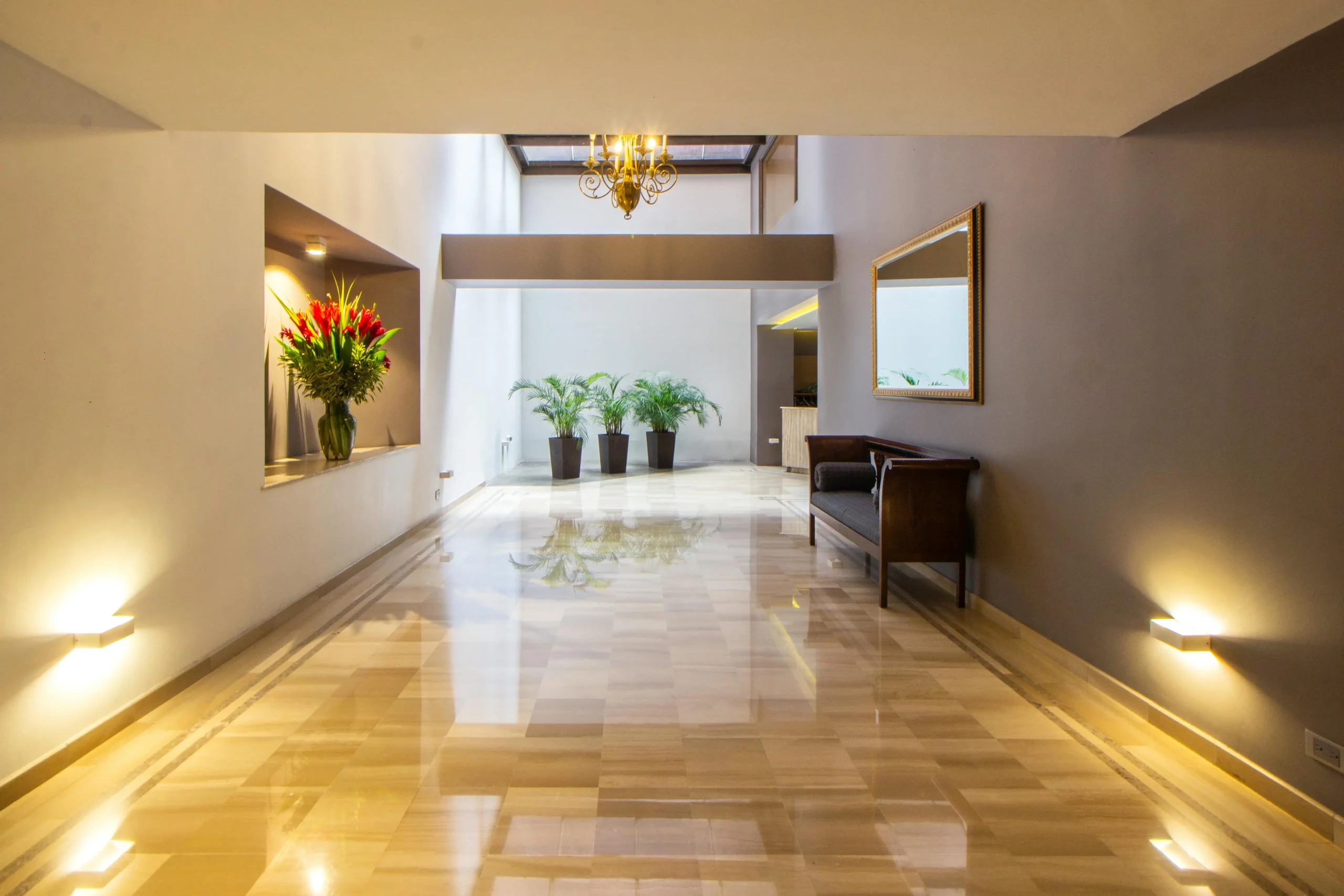
When I finally stayed there last April, I walked into a lobby that felt more like walking into a really upscale greenhouse than a typical hotel. There are these massive living plant walls, reclaimed wood everywhere, and the whole vibe is more Pacific Northwest forest than corporate hotel chain. The rooms have filtered water taps so you don’t need to buy plastic bottles, organic bath products, and linens made from recycled materials. For someone who’s been trying to travel more sustainably, this wasn’t just luxury for luxury’s sake.
But I’m getting ahead of myself. Let me tell you how I actually made this work without blowing my entire month’s accommodation budget on two nights.
When I Realized “Cheap” Wasn’t the Right Question
My first mistake was searching for “cheap 1 Hotel Seattle” like that was actually going to yield results. Spoiler alert: this hotel doesn’t do “cheap” in the traditional sense. Rack rates start around $300-400 per night and can climb to $600+ during peak summer months. That’s more than I usually spend on accommodation in an entire week.
But then I started thinking about it differently. I’d just finished a two-week trip through Oregon where I’d stayed in a mix of hostels and budget hotels, and while I’d kept my nightly costs low, I’d spent a ton on transportation, eating out because there were no kitchen facilities, and replacing a phone charger I’d forgotten because my hostel didn’t have extras to lend. My “cheap” trip had these hidden costs that kept adding up.
What if I approached Seattle differently? What if instead of staying somewhere cheap for five nights, I found a way to stay somewhere strategic for three nights and actually came out ahead? That shift in thinking is what led me to figure out the 1 Hotel Seattle situation.
The Credit Card Points Game (Yes, Really)
Okay, I know some budget travelers hate the credit card points conversation because it feels complicated or like you need perfect credit or whatever. But honestly, this is how I’ve stayed at places that would otherwise be completely out of reach, and I’m going to break it down super simply.
1 Hotel Seattle is part of SH Hotels & Resorts, but more importantly, it’s bookable through several major hotel booking platforms. I’d been sitting on a stash of Chase Ultimate Rewards points from a Sapphire Preferred card I’d opened about eight months before my trip. The signup bonus was 60,000 points after spending $4,000 in three months, which sounds like a lot until you realize that’s just normal spending for most people if you put your regular bills and expenses on it.
Those points transferred to World of Hyatt (even though 1 Hotel isn’t technically a Hyatt, you can sometimes book through their platform), but I actually got the best value by using Chase’s travel portal where my points were worth 1.25 cents each. My two-night stay that would’ve been about $700 with taxes ended up costing me 56,000 points. I paid zero cash.
The second time I stayed there – yeah, I went back – I used a different strategy. I’d earned a bunch of American Express Membership Rewards points from my business expenses (blog hosting, software subscriptions, that kind of thing), and I was able to book through the Amex travel portal during an off-season period in late October. Got three nights for 80,000 points, which would’ve been about $850 in cash.
The “Pay Cash Smartly” Approach
But let’s say you don’t have credit card points or that’s not your thing. There are still ways to make 1 Hotel Seattle more accessible, though I’m not going to lie and say it’s easy.
I did a ton of research on pricing patterns, and here’s what I figured out: the hotel has pretty dramatic price swings based on season and day of week. A Sunday through Wednesday stay in November or February can run you $220-280 per night before taxes, compared to $400+ for a Friday-Saturday in July. That’s still not hostel pricing, but it’s getting into the range where you could potentially justify it for a special trip or if you’re combining it with other budget strategies.
The hotel occasionally runs promotions through their email list – I’m talking things like “4th night free” or “20% off three-night stays” during slower periods. I signed up for their newsletter about six months before I actually wanted to go, and I saw at least three promotions that would’ve made the rates competitive with nice mid-range hotels in Seattle.
There’s also this approach I’ve used where I’ll splurge on one or two nights at a place like 1 Hotel and then switch to something cheaper for the rest of my trip. Last time I was in Seattle, I stayed two nights at 1 Hotel (using points) and then three nights at a decent Airbnb in Capitol Hill for about $60 per night. Best of both worlds, and it gave me a reason to explore different neighborhoods.
What You’re Actually Getting for the Money
Alright, so let’s talk about whether this is actually worth it, because there’s no point in figuring out how to afford something if it’s not delivering value. The rooms at 1 Hotel Seattle are legitimately beautiful. Floor-to-ceiling windows with water or city views, these huge comfortable beds with organic cotton sheets, and a design aesthetic that feels more like a high-end Pacific Northwest cabin than a typical hotel room.
But beyond aesthetics, here’s what made it valuable for me as someone who works remotely and takes travel seriously. The WiFi is fast and reliable – I’m talking actually fast enough to do video calls and upload large files. The workspace in the room is genuinely comfortable with good lighting and ergonomic seating. When you’re a digital nomad, having a productive workspace isn’t a luxury, it’s a necessity. I’ve stayed in cheap places where I ended up working from cafés all day because the WiFi or workspace was terrible, which meant buying coffee and food I wouldn’t have otherwise purchased.
The hotel has this amazing rooftop bar called Wetland that I only went to once because drinks are pricey, but the view is incredible and it’s the kind of space where you can actually hang out without feeling pressured to keep ordering. I brought my laptop up there one afternoon and worked for a few hours while nursing a single drink, and nobody gave me grief about it.
The Sustainability Angle That Actually Saves Money
Here’s something I didn’t expect to matter as much as it did: the hotel’s sustainability focus actually translated into money saved during my stay. There’s a filtered water station on every floor with reusable glass bottles in the rooms, which meant I didn’t spend anything on bottled water. That might sound small, but in Seattle where you’re walking around all day, not having to buy $3 water bottles adds up to $15-20 saved over a few days.
The toiletries are full-size and good quality (actual brands you’d use at home), so I didn’t need to pack my own or buy any while I was there. Same with coffee – there’s a proper coffee maker with decent beans in the room, saving me the $5-6 I’d normally spend on morning coffee. The hotel also has bikes you can borrow for free, which saved me probably $30 in transportation costs since I could bike to Capitol Hill and Fremont instead of using rideshares or buses.
And look, this is going to sound weird, but the hotel’s emphasis on wellness and sustainability actually influenced how I spent my time in Seattle in ways that ended up being more budget-friendly. I found myself doing more outdoor activities – walking along the waterfront, hiking in nearby parks – rather than spending money on typical tourist stuff. The hotel kind of sets this tone where you’re more conscious about your choices, if that makes sense.
When This Strategy Makes Sense (Real Talk)
I want to be totally honest about when staying at 1 Hotel Seattle is a smart budget move and when it’s just not. This works if you’re doing a shorter trip – maybe three to five days – where location and quality really matter. Seattle’s waterfront location means you’re walking distance from Pike Place Market, the aquarium, ferry terminals, and you can easily walk or bike to other neighborhoods.
It makes sense if you’re going to be working remotely and need a proper workspace with reliable internet. It makes sense if you’re traveling with a partner or friend and can split the cost, bringing your per-person nightly rate down significantly. And it makes sense if you’re someone who would otherwise spend money on coffee shops, coworking spaces, or outdoor gear rentals – because the hotel covers a lot of those needs.
It doesn’t make sense if you’re backpacking long-term and need to keep your daily budget super low across the board. It doesn’t make sense if you’re planning to be out exploring from sunrise to sunset and just need a bed to crash in. And honestly, it doesn’t make sense if you don’t have some kind of points strategy or aren’t traveling during a shoulder season when rates are lower.
My Real Numbers (Because Transparency Matters)
Let me give you my actual budget breakdown from my three-night stay last October, because I think this helps make it concrete. I used 80,000 Amex points for three nights, which would’ve cost about $850 in cash (roughly $283 per night average). If I’d paid cash, that’s way over my normal budget. But by using points I’d earned from regular spending, my actual out-of-pocket cost was zero.
During those three days, I spent maybe $10 on transportation total because I walked or biked everywhere from the hotel. I spent about $40 on coffee and snacks outside the hotel (compared to probably $60-70 if I’d been staying somewhere without good in-room coffee and filtered water). I cooked exactly zero meals because there’s no kitchen, but I’d planned for that and budgeted accordingly for eating out.
Compare that to a previous Seattle trip where I stayed in a budget hotel near the airport for $85 per night. Seems cheaper, right? But I spent $25 per day on light rail and buses getting into the city, plus extra time commuting. Over three days, the “cheap” hotel actually cost me more when you factor in transportation, and I had less time to actually enjoy Seattle.
How to Actually Make This Happen
If you’re thinking about trying this, here’s my practical roadmap. Start by figuring out if credit card points are an option for you. If you have decent credit and can responsibly pay off your balance each month, getting a travel rewards card three to six months before your trip can be a game-changer. The Chase Sapphire Preferred and American Express Gold are both solid options with transferable points.
If points aren’t your thing or aren’t available to you right now, focus on timing. Sign up for 1 Hotel Seattle’s email list and watch for promotions during shoulder seasons – typically November through March (excluding holidays). Set up price alerts through hotel comparison sites like Hotel Tonight or Hopper, which can notify you when rates drop.
Consider shortening your stay and making it count. Instead of five nights in a mediocre place, could you do two nights at 1 Hotel and three nights somewhere else? Split your trip between different accommodation types based on what you need most at different stages.
And be honest with yourself about what matters on this particular trip. If you’re visiting Seattle for business meetings or to work remotely in a beautiful setting, the investment in a quality hotel with good workspace makes sense. If you’re there to party and explore and barely sleep, save your money for something else.
The Bigger Picture on Budget Travel
I think we get stuck sometimes in this idea that budget travel means always choosing the cheapest option. But I’ve learned over eight years of doing this that smart budget travel is about optimizing value, not just minimizing cost. Sometimes paying more for the right accommodation in the right location actually stretches your budget further when you consider all the variables.
1 Hotel Seattle taught me that lesson pretty clearly. It’s not cheap, and I’m not going to pretend it is. But with the right strategies – points, timing, splitting costs – it can become accessible. And for certain types of trips, it might actually be the smarter financial choice when you run all the numbers.
Would I stay there on every Seattle trip? Definitely not. But for a special occasion, a work trip where productivity matters, or when I’ve got points burning a hole in my digital wallet? Absolutely. The key is being strategic about when you splurge and making sure that splurge actually delivers value beyond just being able to post pretty photos on Instagram.
If you’re considering it, do the math for your specific situation. Figure out what you’d realistically spend on a “cheaper” option when you include all the hidden costs. And then decide if closing that gap with points or strategic booking is worth it for the experience and convenience. For me, at least twice now, the answer has been yes.