That Time I Discovered the Courtyard Boston Downtown Was Actually a Budget Traveler’s Dream
Flights from Boston
| Destination | Departure at | Return at | Airline | Find tickets |
|---|---|---|---|---|
| Entebbe | 16 July 2026 | 17 July 2026 |  | Tickets from 1 475 |
| Santo Domingo | 18 June 2026 | 18 July 2026 |  | Tickets from 376 |
| Bangkok | 6 July 2026 | 16 August 2026 |  | Tickets from 1 384 |
| Moscow | 20 August 2026 | 29 September 2026 |  | Tickets from 1 472 |
| Miami | 11 July 2026 | 19 July 2026 | | Tickets from 313 |
| Orlando | 13 August 2026 | 18 August 2026 |  | Tickets from 236 |
| Istanbul | 31 July 2026 | 31 August 2026 | | Tickets from 869 |
| San Juan | 9 July 2026 | 14 July 2026 | | Tickets from 290 |
| Fort Lauderdale | 28 July 2026 | 11 August 2026 |  | Tickets from 259 |
| Cairo | 2 July 2026 | 27 August 2026 |  | Tickets from 861 |
| Seattle | 30 June 2026 | 8 July 2026 |  | Tickets from 275 |
| Los Angeles | 24 June 2026 | 15 July 2026 |  | Tickets from 249 |
| Montego Bay | 19 June 2026 | 26 June 2026 | | Tickets from 510 |
| San Francisco | 18 June 2026 | 21 June 2026 | | Tickets from 338 |
| Washington | 22 June 2026 | 26 June 2026 | | Tickets from 250 |
| Las Vegas | 29 June 2026 | 3 July 2026 | | Tickets from 260 |
| Tashkent | 2 June 2026 | 8 June 2026 |  | Tickets from 1 463 |
| Accra | 20 August 2026 | 30 September 2026 | | Tickets from 1 198 |
| Nashville | 30 May 2026 | 1 June 2026 | | Tickets from 255 |
| Guatemala City | 11 August 2026 | 31 August 2026 |  | Tickets from 343 |
| Baku | 2 June 2026 | 21 June 2026 | | Tickets from 1 353 |
| Chicago | 2 July 2026 | 6 July 2026 |  | Tickets from 191 |
| London | 14 July 2026 | 28 July 2026 | | Tickets from 643 |
| Santiago | 30 June 2026 | 20 July 2026 | | Tickets from 494 |
| Lisbon | 7 June 2026 | 28 June 2026 |  | Tickets from 818 |
| San Salvador | 30 July 2026 | 9 August 2026 | | Tickets from 668 |
| Tampa | 11 June 2026 | 15 June 2026 | | Tickets from 253 |
| Vitoria | 15 August 2026 | 16 August 2026 | | Tickets from 636 |
| Atlanta | 19 June 2026 | 21 June 2026 | | Tickets from 228 |
| Praia | 3 August 2026 | 24 August 2026 |  | Tickets from 1 088 |
Look, I’ll be honest with you – when someone mentions staying at a Courtyard by Marriott in downtown Boston, your first thought probably isn’t “wow, what a budget-friendly option!” Boston’s got this reputation for being crazy expensive, and honestly, it kind of deserves it. But here’s the thing that took me way too long to figure out: sometimes the “boring” chain hotels in major cities are actually your secret weapon for affordable travel.
Let me back up. Three years ago, I was planning a fall trip to Boston (because apparently I love torturing my wallet with New England in peak foliage season). I was doing my usual thing – searching for hostels, checking Airbnb, even considering a sketchy-looking guesthouse in Quincy that had “charming” in the description, which is never a good sign. Then I stumbled across something that made me do a double-take: the Courtyard Boston Downtown was running a rate that was actually cheaper than most of the hostels I’d been eyeing.
I’m talking like $120 a night during shoulder season. In downtown Boston. With a real bed, a bathroom I didn’t have to share with strangers, and – get this – free WiFi that actually worked.
Why Downtown Chain Hotels Are Smarter Than You Think
Here’s what nobody tells you about budget travel: sometimes the “authentic local experience” of staying in someone’s converted basement or a hostel where you can hear every conversation through paper-thin walls just isn’t worth the $30 you’re saving. Trust me, I’ve stayed in plenty of those places, and while some were great, others left me wondering if I should’ve just splurged on a proper hotel.
The Courtyard Boston Downtown sits right there on Tremont Street, and when I say downtown, I mean actually downtown. You can walk to Boston Common in like five minutes. Faneuil Hall? Ten minutes, maybe. The Freedom Trail basically runs past your door. This matters more than you might think, because transit costs in Boston add up fast. Those $2.40 subway rides (or whatever they cost now – it keeps going up) seem small until you’re taking four or five a day.
I learned this the hard way during my first Boston trip back in 2018, when I stayed in Somerville to save money. Sure, the nightly rate was lower, but by the time I factored in the T passes and the time I wasted commuting, I probably would’ve broken even with a downtown hotel. Plus, I missed out on those early morning walks through the Public Garden before the crowds showed up, which honestly became my favorite part of the trip.
The Sneaky Ways to Score Cheaper Rates
Okay, so let’s talk strategy, because just booking directly on the hotel website like a regular person is kind of leaving money on the table. The Courtyard Boston Downtown – and really, most chain hotels – have these pricing patterns that you can totally exploit if you know what you’re looking for.
First thing: compare everywhere. I mean everywhere. Sometimes the Marriott website has the best rate, sometimes it’s Booking.com, and occasionally you’ll find something weird on Expedia that makes no sense but saves you $40. I use Google Hotels to check everything at once, then I book directly with whoever’s cheapest. Takes maybe ten extra minutes, totally worth it.
Here’s something I wish someone had told me earlier: hotel prices in Boston fluctuate like crazy based on what’s happening in the city. There’s a Red Sox game at Fenway? Prices spike. Big convention at the Hynes? Everything goes up. But catch it during a random Tuesday in February or a quiet week in November, and you can find rates that’ll make you wonder if there’s a typo involved.
I actually scored a night at this Courtyard for $89 once. It was a Sunday in early December, right after Thanksgiving but before the Christmas markets really got going. The weather was cold and kind of miserable, but I bundled up, walked the Freedom Trail without fighting through tour groups, and felt like I’d basically hacked the entire city.
The loyalty program thing is another angle worth considering. I’m generally skeptical of these programs because they feel like they’re designed to trick you into thinking you’re getting a deal when you’re not. But Marriott Bonvoy is actually pretty straightforward – you collect points, you use them for free nights. I’ve stayed at this Courtyard twice using points I earned from stays at cheaper Marriott properties in smaller cities. Pretty much turned a $120 night into a free one.
What You’re Actually Getting for Your Money
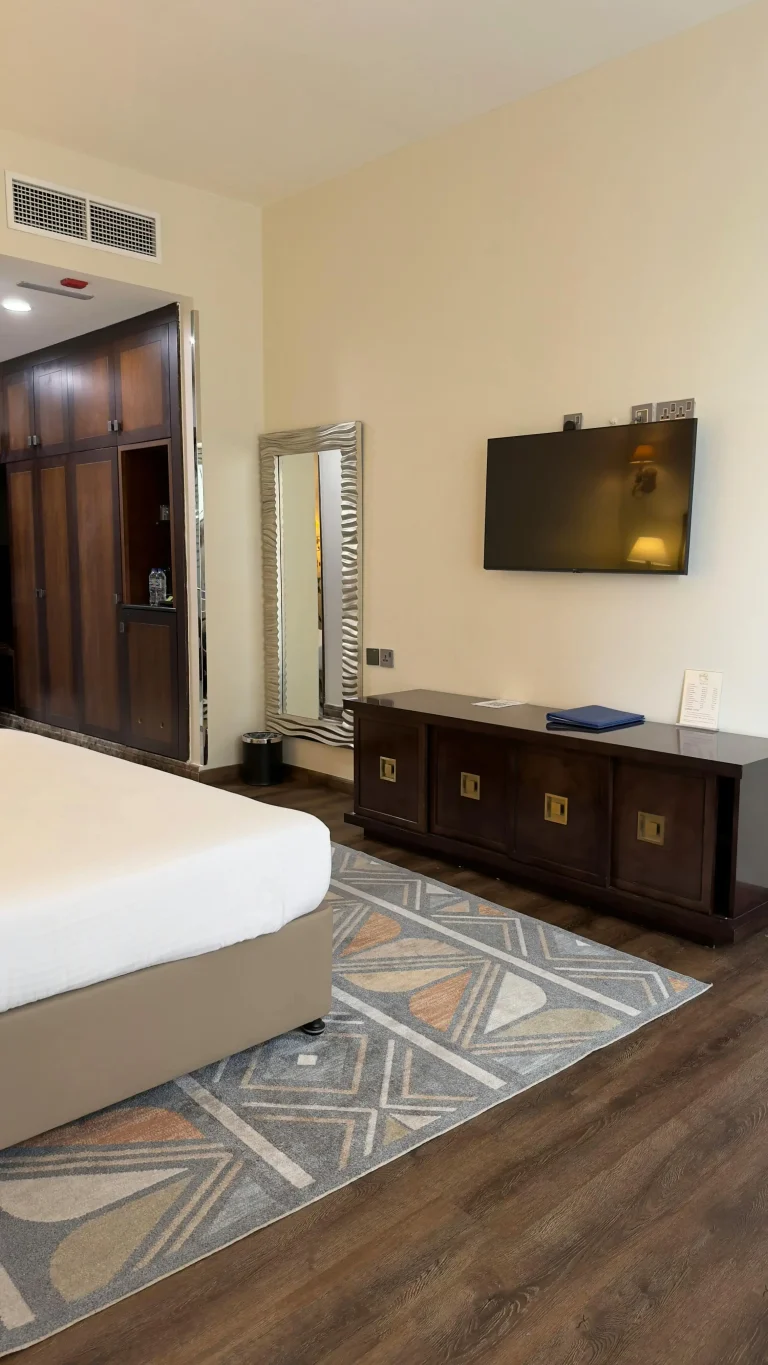
Let me paint you a realistic picture here, because I’m not going to pretend this place is some luxury palace. It’s a Courtyard. You know what that means. The rooms are clean and functional, the design is that generic hotel contemporary style that could be anywhere in America, and you’re not getting any fancy toiletries or turndown service.
But honestly? For budget travel, that’s totally fine. The beds are comfortable – like, actually comfortable, not hostel-bunk-that-makes-your-back-hurt comfortable. You get a real shower with decent water pressure. There’s a little work desk if you need to catch up on emails or, in my case, write blog posts about budget travel tips while sitting in your pajamas.
The WiFi works well, which matters more than people realize. I’ve stayed at places where the WiFi was so bad I ended up burning through my phone data just trying to look up restaurant recommendations. Not here. I could video call with friends back home, upload photos to Instagram, do all that stuff without issues.
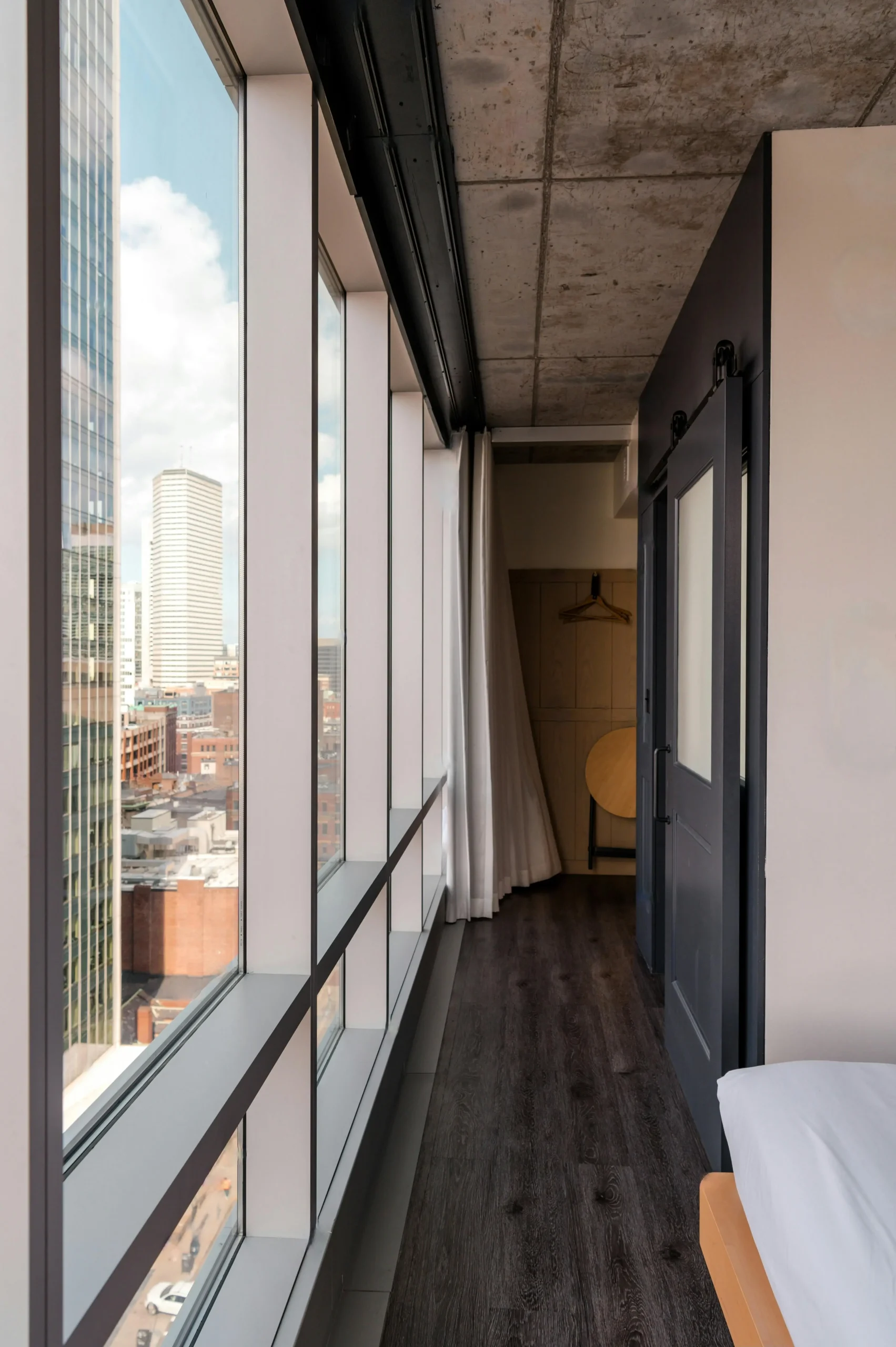
One thing that surprised me was how quiet the rooms were. Downtown Boston can get rowdy, especially on weekends when the bars let out. But I was on the eighth floor, and I barely heard any street noise. Granted, I’m someone who can sleep through pretty much anything after years of hostel dormitories, but my friend who stayed with me on one trip is a light sleeper and she actually commented on how peaceful it was.
The breakfast situation is where things get a little tricky. There’s a bistro on-site, but it’s not included in your room rate, and honestly, it’s priced like hotel food. Which means you’re better off walking two blocks to Dunkin’ (because it’s Boston, there’s always a Dunkin’ nearby) or grabbing something from one of the cafes in Downtown Crossing. I usually just brought instant oatmeal packets and made those with the in-room coffee maker. Not glamorous, but it saved me probably $15 a day.
The Location Advantage Nobody Talks About
Here’s where staying at the Courtyard Boston Downtown really paid off for me: the location lets you be spontaneous in a way that budget accommodations on the outskirts just don’t allow. You can head back to your room in the middle of the day if you need a break. You can drop off shopping bags without schlepping them on the subway. You can decide last-minute to catch a show in the Theater District because you’re literally already there.
I remember one afternoon when it started pouring rain out of nowhere – classic New England weather. I was near the hotel, so I just ducked back to my room, changed into dry clothes, and waited it out for an hour while catching up on some work. If I’d been staying in Cambridge or Brookline, I would’ve just been stuck standing under an awning somewhere, slowly getting soaked.
The real value shows up in the mornings and evenings, though. Being able to walk to the North End for dinner without worrying about catching the last train back? Game changer. Watching the sunrise over Boston Harbor and then grabbing coffee before the tourist hordes descend on Quincy Market? Can’t put a price on that. Well, actually you can – it’s the difference between this hotel rate and a cheaper place farther out, and personally, I think it’s worth every penny.
When This Hotel Makes Sense (And When It Doesn’t)
Real talk: the Courtyard Boston Downtown isn’t always the budget option. Sometimes it’s legitimately expensive, and you’d be better off looking elsewhere. If you’re checking rates for a summer weekend or during marathon week in April, you might see prices north of $300 a night. At that point, unless you’re swimming in credit card points, there are better uses of your travel budget.
This hotel shines during shoulder seasons – late fall, winter (excluding holidays), and early spring. That’s when you’ll find those sub-$150 rates that actually make it competitive with budget alternatives. It’s also great if you’re only staying a night or two and you really value the convenience of being central. The time and money you save on transportation can legitimately offset a slightly higher room rate.
I wouldn’t recommend it if you’re the type of traveler who’s barely in your room. If you’re planning to be out from early morning until late at night, crashing wherever’s cheapest makes more sense. But if you’re like me and you appreciate having a comfortable home base where you can recharge between adventures, the extra comfort is worth the trade-off.
Making It Work for Your Budget
The secret to making a place like this fit into a budget travel plan is being flexible and strategic about the rest of your spending. I’ve stayed at the Courtyard Boston Downtown multiple times now, and each time I’ve balanced the accommodation cost by cutting back elsewhere.
Sometimes that meant eating like a local – hitting up Chinatown for cheap dumplings, grabbing slices from random pizza places, making sandwiches from grocery store ingredients. Boston’s got some incredible fine dining, but it also has plenty of affordable options if you know where to look. The money I “splurged” on a nicer hotel, I saved by skipping the $18 cocktails and fancy brunches.
I also walked everywhere instead of taking the T when possible. Boston’s a pretty walkable city, and staying downtown meant most major attractions were within a 20-30 minute walk anyway. That’s free exercise and free sightseeing rolled into one. Plus, you discover stuff you’d never find from a subway window.
The other thing I did was extend my trip by a day. I know that sounds counterintuitive – isn’t the goal to spend less money? But here’s my thinking: once you’ve paid for the flight to Boston, adding an extra night at a reasonable hotel rate and getting more time to explore actually improves your cost-per-experience ratio. I’d rather spend four days in Boston staying somewhere comfortable than rush through in two days while staying somewhere miserable.
The Bottom Line on Budget Travel in Expensive Cities
Look, Boston’s never going to be Bangkok or Lisbon when it comes to budget travel. It’s an expensive city, and there’s no getting around that. But the whole point of being a budget traveler isn’t to never spend money – it’s to spend money strategically on things that actually enhance your experience.
For me, the Courtyard Boston Downtown represents that sweet spot where you’re getting real value without feeling like you’re roughing it. You’re central enough to save on transit and time, comfortable enough to actually relax, and if you play your cards right with timing and booking strategy, affordable enough to fit into a reasonable travel budget.
I’ve stayed at hostels where I loved the social atmosphere, and I’ve stayed at sketchy motels where I questioned every life decision that led me there. This Courtyard is neither of those extremes. It’s just a solid, reliable, conveniently located place to sleep that occasionally offers rates that make it a legitimate budget option.
Next time you’re planning a Boston trip, don’t automatically rule out the chain hotels downtown. Check the rates, compare your options, factor in the location value. You might be surprised. And hey, if you end up staying there on one of my recommended quiet weeks, you might just find yourself with enough budget left over for a lobster roll or two.